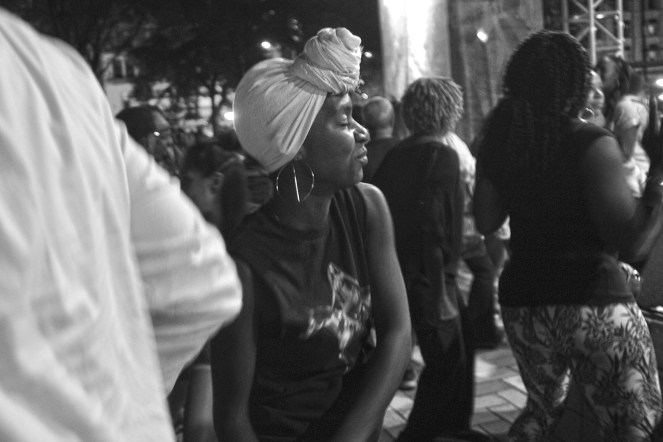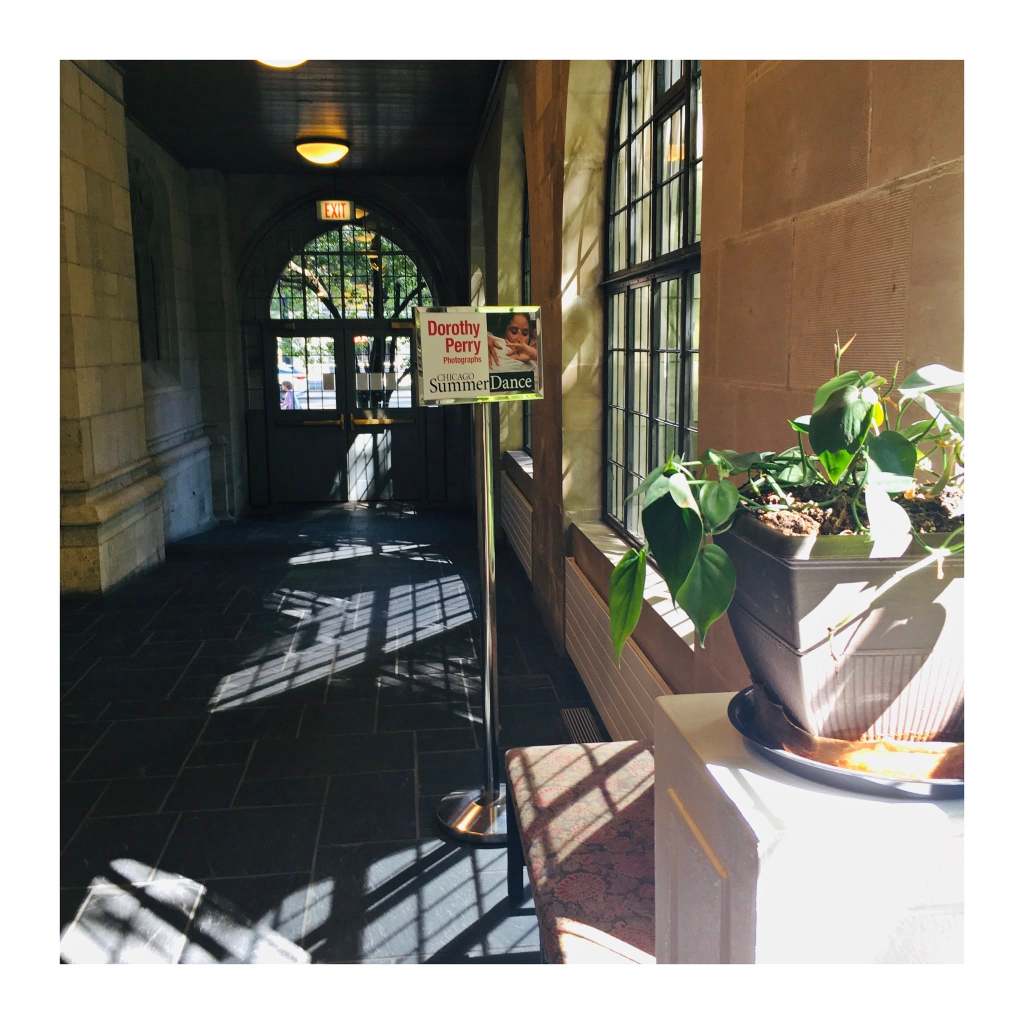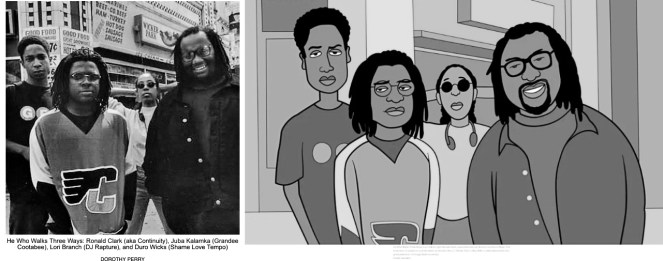
The black and white version of the Chicago Reader weekly (the one printed with the ink that stained your fingers) was the apex of creative photography in the 90’s for those who loved photojournalism.
I was an editorial assistant at the Reader, greeting visitors, opening the mail, and occasionally taking assignments to the studios of the artists who worked for them.
It began as a small idea, but slowly the picture emerged. Though I was only an amateur at that time with no real experience, I began to want to be a photojournalist for the Reader.
For the first time in my young life, I began to feel the inner fire of my own dreams, illuminating my next steps and decisions. Yep, they did not pay very much, but there were benefits.
- You were treated as a real photographer, not a ‘picture taker.’
- There was more creativity and freedom to take time with your assignment.
- The assignments covered unique, quirky people, fascinating local businesses, and interesting places.
- Editors did not crop our submitted photos, and images were published at a luscious size.
- Shooting for the Reader opened doors to other opportunities.
In reality, starting from real beginner status was a little harder. I hadn’t gone to photography school or worked for any photographers to learn the business.
I had just taken a couple of classes but I had gone to upstate New York to study with the eyes and soul of the Village Voice, Sylvia Plachy, and had a mentor in the deep emotional style of photography I desired.
My portfolio was submitted again and again…and again. Time after time, I would climb the long set of stairs to the office to pick up the portfolio case (if they already had it at the reception desk it meant better luck next time) smiling and saying, “I’ll be back.”
In reality, the learning curve was like a rollercoaster…those massive wooden structures that are made for the apprehension effect, the deep stomach drops, and screaming feelings of exhilaration.
Afterwards, I’d put my heart back inside my chest, pick up my cameras, and pick up my spirits. I still worked there, so there were some quiet, awkward passages in the hallways, but it just fortified my desire that art director Bob McCamant choose me for assignments as a Reader freelancer.
In about two years, and getting experience with other papers including the Chicago Defender, I got a call to see if I was available, and my first assignment.
Over the five years I shot with the Reader, I worked both as a photographer and as an illustrator, including a collage that made the cover.
It pleased and encouraged me to see that I could write and scope out my own stories and had a photo essay published on the local bike club, whose ornate, decorated vintage cruisers were a unique part of parades and local social entertainment.
And yes, even though I did not earn a lot of money, I L O V E D that job,
even as my own personal life moved me into my next creative timeline as a family and wedding photojournalist. All still in black and white film.
Flash forward twenty-five years: In the process of searching for information for my website rebranding on the Wayback Machine,
I discovered that none of my photographs were included within the Reader’s archives online. Whether for size or intellectual property reasons, no images accompanied the articles. None of them. Even my photo essay only appeared in text.
It seemed so surreal to me that all my experience and history with them now reads, “Art accompanying story in printed newspaper (not available in this archive): photos/Dorothy Perry.”
The internet is forever – but with an asterisk. Not when your artwork doesn’t accompany the journey into the new format.
I took it hard for a while, but with an exercise to describe and tell the story again and again more playful and spontaneous until I could speak of it without the emotional upset stomach feeling in it, without feeling I had lost something: it happened.
It happened that my work was published in one of the best newspapers in the city.
It happened that I found my skill for creating portraits and photo stories by quickly assessing and adapting what I found on location.
It happened that I learned how to travel Chicago’s different streets and neighborhoods, organize time, work successfully with different types of personalities, and meet tight publishing deadlines.
It happened that I gained skills of working quickly and decisively in the moment that improved me as a photographer and a creative person.
Though “Photos/Dorothy Perry” was all that was left of the experience,
it happened that I succeeded in the first real goal that I chose for myself.
This is my comfort, as I plan my next big dream going forward.
Dorothy Perry photographs families and personal events; contact her here.